


Imperium is tracking seven stories this week, bookended by college football's two biggest conferences setting their own rules and the deadlocked debate over how fast AI will change the world. Along the way: the synthetic internet's fake-poll problem, the misery of MomTok, Silicon Valley's $180K status symbol, and California's new online takedown law. Here's what we're watching:
On Our Radar
College Football’s Red Line
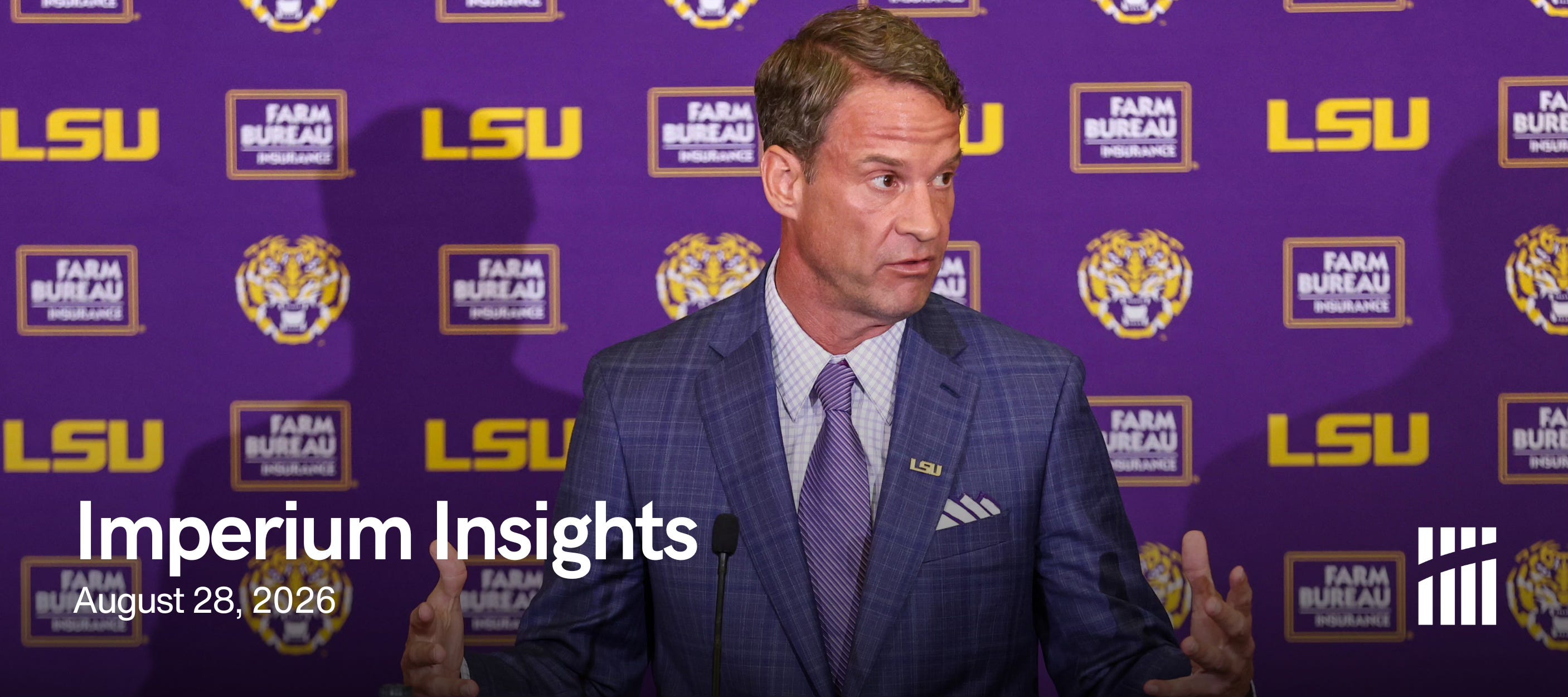
College football is back this weekend, with the sport still figuring out where its new boundaries are in this anything-goes era. The latest wrinkle: can a player with remaining eligibility go to the NFL and then come back to college? Lane Kiffin and LSU pushed that question into the open after landing commitments from two players who had already spent time on NFL rosters. The answer from the SEC and Big Ten came quickly: absolutely not. Both conferences moved to ban former pros from returning to play college ball, with the Big 12 and ACC now weighing similar rules.
The transfer portal and a wave of court rulings have blown open old assumptions about who can play where and for how long, and coaches like Kiffin are naturally going to test the edges. The SEC and Big Ten moved on their own instead of waiting for the NCAA to catch up — another sign that the sport’s two biggest conferences are ready to set the rules of the road themselves.
Imperium Takes Home Three Parthenon Awards
Last Thursday was a good night in Music City! Imperium took home three Parthenon Awards at PRSA Nashville’s 40th annual Parthenon Awards, with wins for Integrated Communications, Corporate Citizenship, and AI Integration and Digital Innovation. The recognition is especially meaningful coming on home turf, and follows two national Awards of Excellence at PRSA’s Silver Anvil Awards in New York earlier this year.
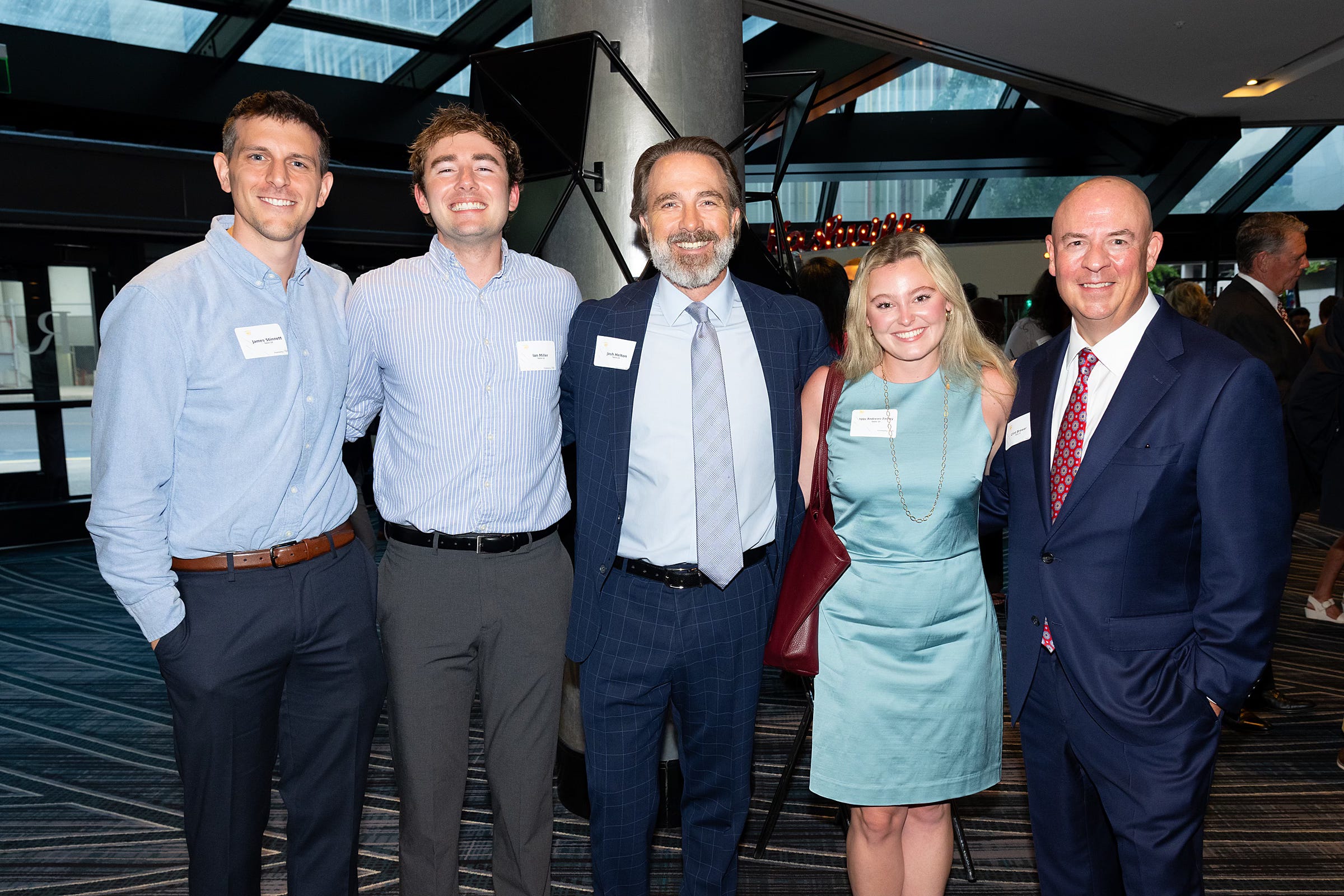
We’re continuing to push beyond the traditional boundaries of a public affairs firm, bringing different disciplines together while building new capabilities for an AI-shaped world. At the same time, the fundamentals haven’t changed: solid judgment, meaningful work, and durable results for our clients. We’re proud to have that work recognized here in Nashville and grateful to the clients who trust us to do it
The Synthetic Internet
The internet has always been filled with bad information, but AI is making it much easier for the fake content to look real enough to shape outcomes offline. A mystery polling firm recently released made-up surveys in high-profile races, including Wisconsin’s gubernatorial contest, influencing the political conversation ahead of voting day before admitting the numbers were bogus.
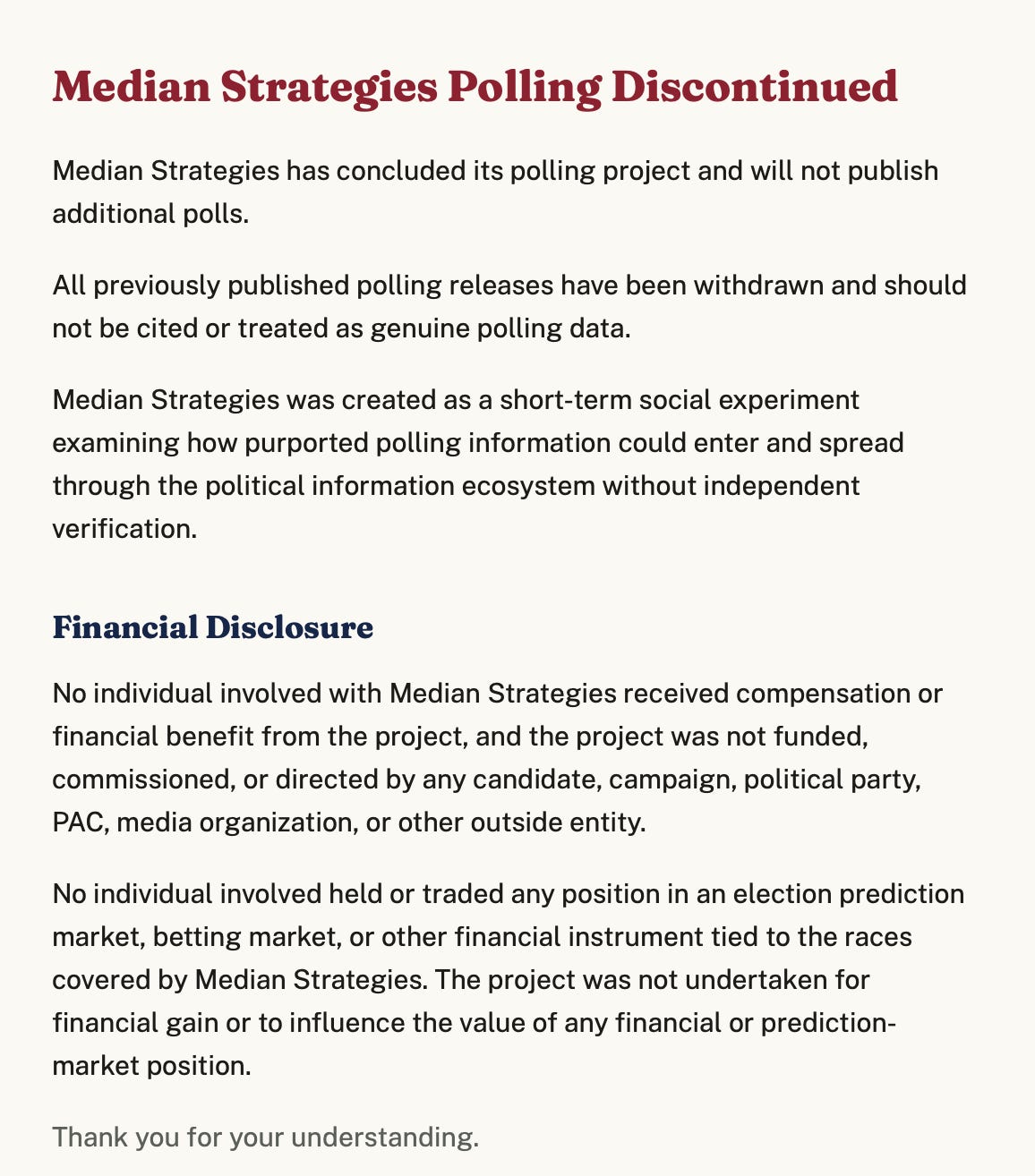
The problem is bigger than any one hoax. More and more, the signals people rely on to make sense of the world can be manufactured. A fake poll can shape the story of a race before anyone realizes it is fake. A coordinated network of accounts can create enough momentum around a product or cause that real attention and action follows. As synthetic content gets better, knowing what to trust will only get harder — and more valuable.
The Misery of MomTok
TikTok’s “momosphere” is turning maternal burnout into a kind of performance, rewarding videos of rage and emotional collapse with attention and solidarity. The trend has taken a much darker turn during the murder trial of Lindsay Clancy, the Massachusetts mother accused of killing her three children. Some women are even posting “Me too, Lindsay” alongside videos of their own kids, turning Clancy into a symbol of overwhelmed motherhood rather than the horrifying cautionary tale her case should be.
For years, a growing strain of popular culture has portrayed motherhood as only exhausting and limiting; now social media has built an audience around performing that misery in public. The reaction to Clancy shows how far that instinct can go when the hardest moments of parenting start becoming the story people tell themselves about motherhood itself.
Tech’s New Status Symbol
Silicon Valley has a new way to flex: company-branded Swiss watches. Sam Altman commissioned just seven custom OpenAI watches from Vanguart, based on a model that starts at $180,000. They come loaded with company detailing, including “COMPUTE IS DESTINY” engraved around the rotor and a line of Python on the back.


OpenAI also commissioned 400 branded Tudors, joining a growing collection of tech companies taking the old-school executive watch to the next level. Meta, Amazon and Adobe have all gotten into the game, and some of these employee-only pieces are already going for a premium on the secondary market.
California’s New Takedown Law
California just signed a law that could make it easier for taxpayer-funded organizations to bury evidence of what they are doing. The measure lets workers and volunteers at organizations serving immigrants demand that images and personal information be removed from the internet based on a claimed “reasonable fear” for their safety — without a police report, a court order or a blanket exemption for journalists. Violators can face steep fines and even criminal penalties.

Critics are calling it the “Stop Nick Shirley Act” for a reason. Shirley has built a massive audience by following public money, showing up with a camera and letting taxpayers see where it goes. The law gives taxpayer-funded organizations a new avenue to suppress inconvenient footage—and raises the cost for anyone who tries to expose waste, fraud or abuse.
The AI Growth Debate
Economists and technologists look at AI and see radically different futures. Most economists expect a meaningful productivity boost without rewriting the basic rules of economic growth. AI insiders think those rules are about to get demolished, with growth potentially reaching levels modern economies have never seen. Neither camp is budging. Researchers have literally paid experts to sit down, study the other side’s arguments and spend hours trying to find common ground. They came away just as divided.

Economists have spent their careers watching supposedly transformative technologies collide with stubborn institutions and slow adoption. Silicon Valley has spent decades watching tiny companies become giants and breakthroughs rewrite entire industries almost overnight. Put AI in front of those two worldviews and, of course, they see different things. The biggest argument about AI’s future comes down to a much more fundamental question: how fast do you think the world can actually change?
Other Reading
Dolly Parton, Superstar Whose Songs Spoke to Millions, Dies at 80 — (The New York Times)
Could China Colonize Mars Before America? — (The Spectator)
These Lawmakers Are Fighting Data Centers. Their Portfolios Tell a Different Story — (Pirate Wires)
SpaceX to Build $100 Billion Starship Rocket Complex in Louisiana — (Reuters)
Melania Trump to Host Freedom 250 Grand Prix — (The Hill)