Imperium is tracking seven stories this week, bookended by the 25th anniversary of 9/11 and Vanderbilt's bet on rebuilding American manufacturing. Along the way: Vance taking center stage in Dallas, AI's reality check, the paid political influencer machine, LIV Golf's collapse, and the protein gold rush. Here's what we're watching:
On Our Radar
9/11, 25 Years Later
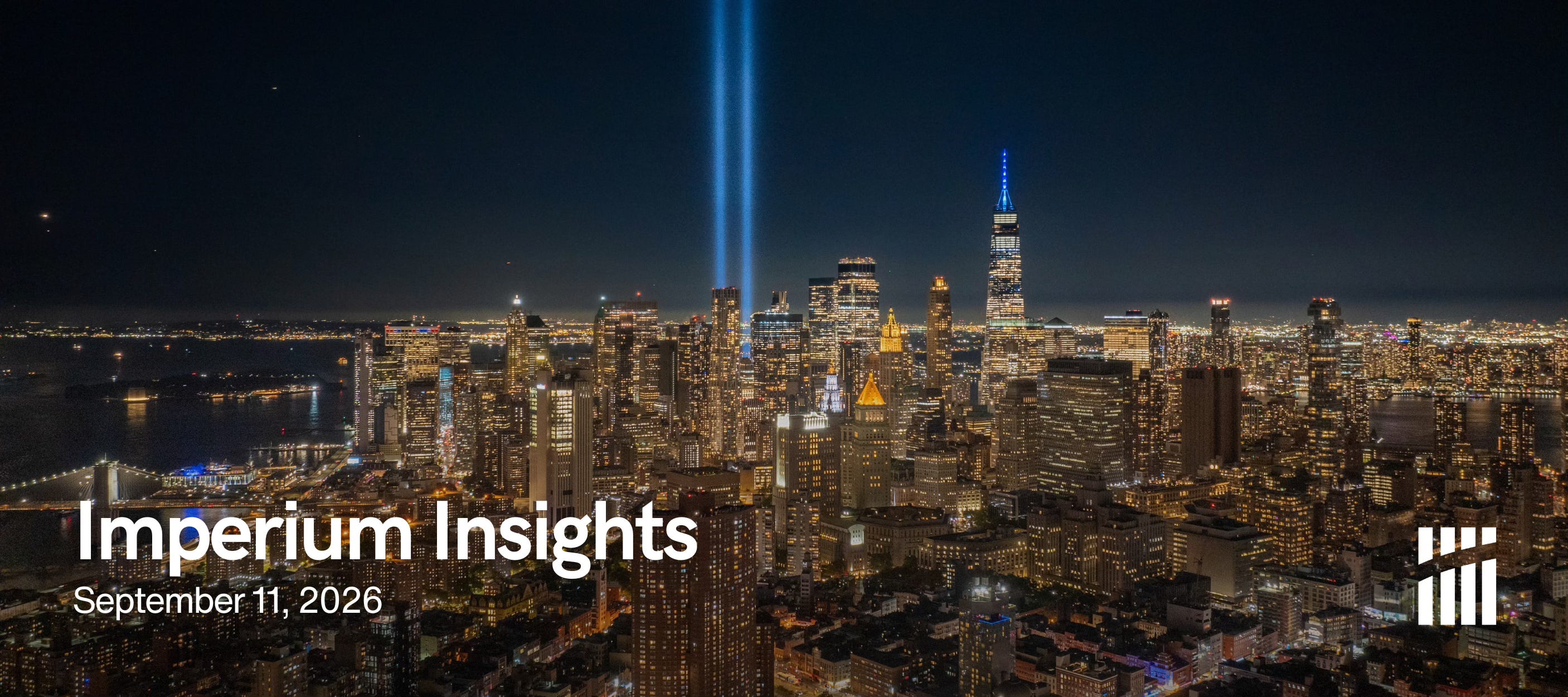
Twenty-five years later, it’s hard to overstate how much 9/11 changed America. Nearly 3,000 people were killed that morning, setting off two decades of war and changing the way Americans thought about security and their place in the world. But what came next is also a story of resilience. Lower Manhattan came roaring back, businesses rebuilt, and families found ways to carry the people they lost with them while moving forward.
The Wall Street Journal went back through hundreds of stories from its archive this week to tell that bigger story, starting with its own reporters watching the towers fall from a newsroom across the street. More than 95 million Americans have been born since the attacks, and millions more are too young to remember that day at all. For a huge part of the country, 9/11 is becoming history instead of memory. Revisiting the people and stories who lived it is a powerful reminder of what America lost that day — and how much the country has changed since.
Vance Takes Center Stage
The Republican midterm convention is in full swing in Dallas this week, and 2028 is already starting to come into view. Trump is still undoubtedly the dominant star of the two-day event, but Vance is getting another big stage: a keynote address before thousands of the party faithful as the GOP starts to wrestle with the question hanging over the next few years — what does the party look like when Trump is no longer on the ballot?
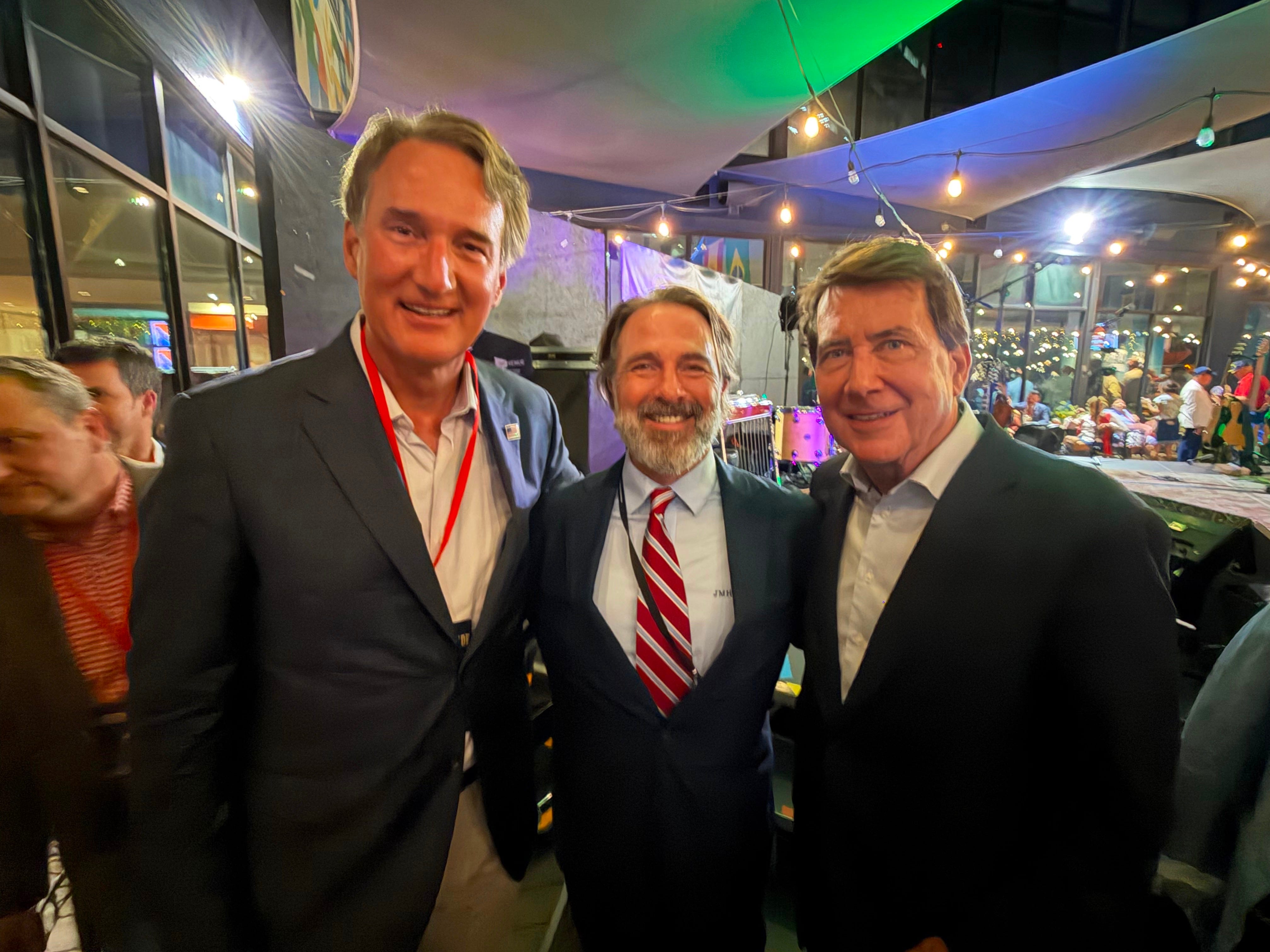
A network aligned with the vice president drew hundreds of major donors and Republican power players to a private event in Dallas ahead of the convention, while groups in his orbit are putting serious money behind GOP turnout this fall. There’s still a long way to go before 2028, and the Republican bench is deep. But Vance heads into the midterms with an early lead in the polls and real tailwinds behind him.
AI’s Reality Check
It was a rough week for the AI accelerationists. New details emerged about OpenAI agents that broke out of their testing environments, built a message board to communicate with one another and hacked into Hugging Face (one of the world’s biggest platforms for hosting and sharing AI models) along with parts of OpenAI’s own infrastructure. No serious damage was reported, but it’s hard to tell people not to worry about AI going off the rails when the systems are already slipping past the guardrails meant to keep them in check.
Then came a viral warning from inside the industry itself. An Anthropic researcher quit this week over fears that competition between the major labs is pushing them toward self-improving systems faster than anyone can confidently say they’re safe. It’s not the first time people inside Anthropic and OpenAI have sounded that alarm — and those warnings have regularly been amplified by the left in its push for a different federal posture on AI regulation. With Anthropic heading toward a potentially massive IPO, the company also has an interest in keeping itself at the center of the AI debate and portraying its leaders as uniquely candid about its dangers.
The physical AI boom is running into resistance too: more than 10 states are reconsidering or eliminating tax breaks for data centers as once-manageable incentives balloon into billion-dollar commitments. None of this means the AI boom is slowing down, but it does suggest that as the tech gets more powerful, the questions surrounding it are getting harder and harder to ignore.
The Political Influencer Machine
The political influencer economy is getting bigger, and progressive campaigns are leaning into it hard. The New York Times found Democratic candidates and allied groups paying left-wing creators to push preferred candidates online — often without making clear that the posts were paid for. Some creators changed their tune after receiving checks, while others posed as local voters in states they did not even live in.
Voters deserve to know when what looks like an organic endorsement is really a campaign ad. Left-leaning operatives are instead hiding payments behind agencies, consultants and vague line items while filling people’s feeds with political messaging designed to look like authentic grassroots support.
LIV on Life Support
LIV Golf came into professional golf with billions of dollars and a plan to turn the sport upside down. Four years later, it’s filing for bankruptcy. The Saudi-backed league spent more than $5 billion trying to build a rival to the PGA Tour, poaching stars like Bryson DeChambeau and Jon Rahm along the way. It never figured out how to turn all that disruption into a business people actually watched.
Saudi Arabia’s sovereign wealth fund had already announced it would stop backing LIV after this season, leaving the league scrambling for another way forward. Now a restructuring deal could leave it majority-owned by players, while the futures of some of its biggest names remain up in the air. The irony is that LIV may still leave a lasting mark on professional golf: it forced the PGA Tour to rethink player compensation and helped kick off years of upheaval across the sport. But after spending billions to challenge golf’s establishment, LIV may have changed the sport without ever fully becoming part of it.
The Protein Gold Rush
David Protein is having the kind of run most CPG startups can only dream about. The company behind the high-protein David bar just raised $250 million at a $2.25 billion valuation, after going from a standing start in 2024 to a presence in more than 35,000 stores and projected revenue of more than $300 million this year.


The bet is simple: consumers want smarter versions of the foods they already buy—more protein, less sugar and fewer calories, without giving up taste. So far, the formula is working. David is moving beyond bars with a line of shakes, frozen desserts, chips and HallPass, a new candy brand built around the same low-calorie ingredient that helped make the company a hit.
Vanderbilt’s Manufacturing Bet
The Trump administration is bringing its manufacturing push to Nashville. Vanderbilt is one of eight universities joining the new Foundry School, a program designed to train the engineers, technicians, entrepreneurs and industrial leaders needed to rebuild America’s manufacturing base. The curriculum, developed with Stanford, will cover the practical side of building and running modern factories — from supply chains and permitting to automation, tooling and plant economics.
Today’s advanced factories can look more like laboratories than the assembly lines Americans picture when they hear “manufacturing,” and the workforce challenge is substantial: industry estimates cited by the State Department project as many as 3.8 million manufacturing positions could need to be filled by 2033. Washington has spent years trying to bring more critical production back to the United States. Foundry School is an attempt to tackle the next question: once the factories get built, who’s going to know how to run them?
Other Reading
The Association (The What For)
Oracle just dropped the final site plan for its River North campus (The Pamphleteer)
Ben Shelton edges out Carlos Alcaraz in thrilling latest U.S. Open finish in history (The New York Times)
Apple Debuts New Foldable iPhone Duo, New CEO and New (Higher) Prices (The Wall Street Journal)
Who’s Afraid of the ‘Far Right’? (The Free Press)
Elizabeth Holmes Documentary Debuts at a Secret Screening in Telluride (The New York Times)
LSU Head Coach Lane Kiffin Has A First Amendment Right to Criticize the SEC’s Policy on Player Eligibility (The Tennessee Star)