


On Our Radar
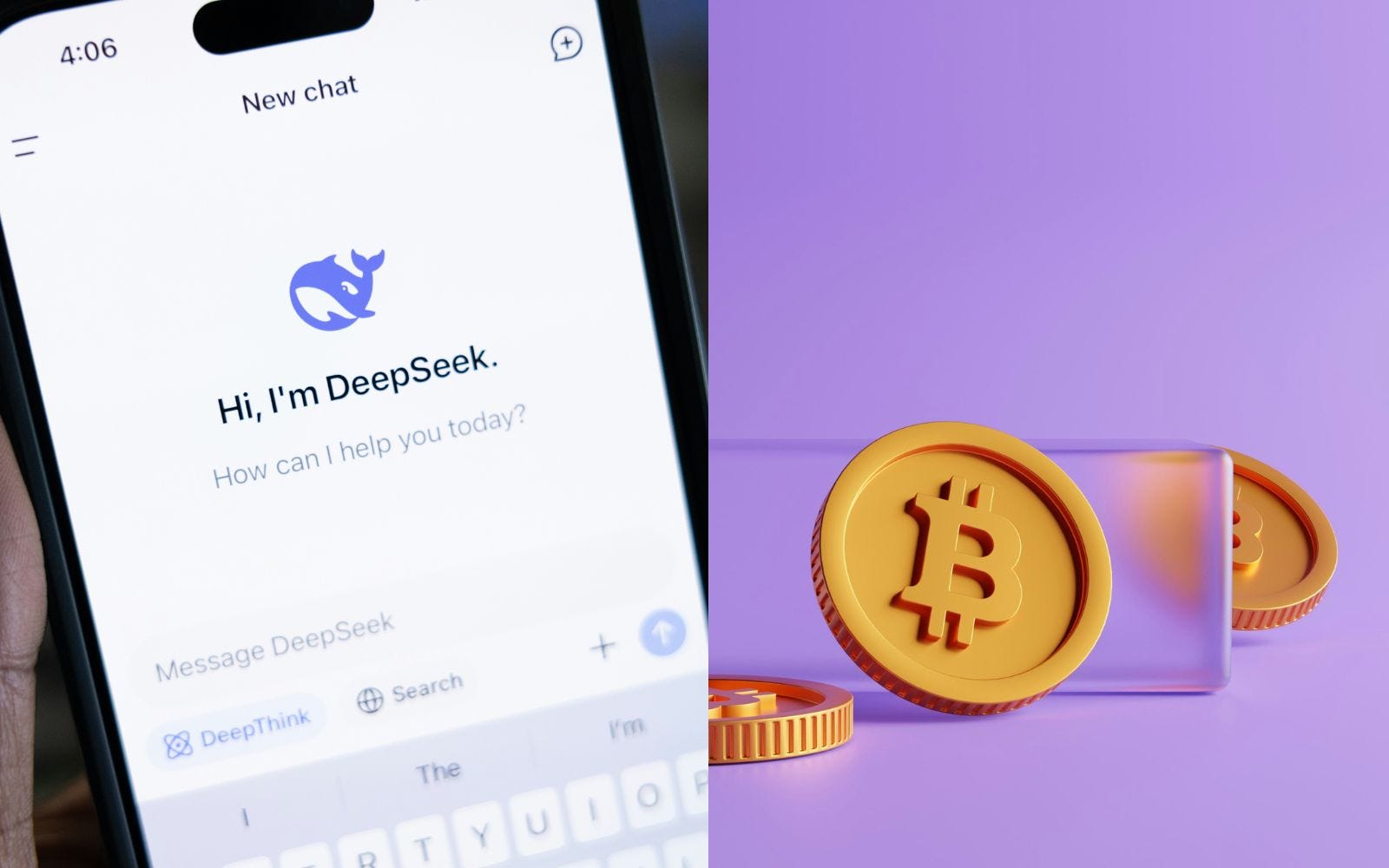
Hysteria ensues in Washington as DeepSeek rises from Chinese startup to AI disruptor. While bipartisan lawmakers and tech leaders demand stricter chip export controls, other experts flag national security concerns around the West’s current closed source ideology. OpenAI’s accusation that DeepSeek replicated its models through “distillation” has intensified scrutiny. As the AI arms race accelerates between East and West, DeepSeek's emergence highlights the delicate balance between fostering innovation and protecting national interests, while raising fundamental questions about transparency and trust in AI development.
Governor Bill Lee’s plan to create a public-private toll lane system cleared key legislative hurdles this week, advancing a model that shifts financial risk to private developers while avoiding state debt. The proposal establishes the Tennessee Transportation Financing Authority, allowing companies to fund, build, and operate “choice lanes” using federal tax-exempt bonds channeled through state conduits. A five-member board—including the governor, comptroller, and treasurer—will oversee projects, with initial focus on congested routes like Nashville-Murfreesboro corridors. The measure progresses alongside school vouchers and disaster relief in a special session prioritizing privatized approaches to government services.
Coinbase’s hires of Trump strategist Chris LaCivita and former Sen. Kyrsten Sinema (I-Ariz.) highlight crypto’s dual approach: advancing bipartisan legislation while aligning with executive priorities. LaCivita, a key architect of Trump’s 2024 campaign, amplifies the president’s growing focus on crypto to elevate its White House prominence. Sinema, leveraging her legislative expertise, urges Congress to replace fragmented regulations with cohesive laws, cautioning that even a pro-crypto administration can’t ensure stability through executive action alone. Together, they underscore an industry transitioning from advocacy to institutional engagement—building influence where policy is shaped and decisions are made. This strategy aligns with David Sacks’ work as AI and crypto czar and reflects a broader shift toward cementing crypto’s role in governance.
Earlier this week, Clint discussed the Trump Administration's first eight days of executive actions with Mike Leahy on The Michael Patrick Leahy Show. He emphasized how strategic planning and focused preparation established the administration's messaging foundation. Follow the Tennessee Star to see weekly appearances from Clint.
This New York Times podcast unpacks the rise of digital "Dark Arts" in public relations, a set of aggressive, behind-the-scenes tactics allegedly fueling the legal battle between Blake Lively and Justin Baldoni. The episode offers a rare glimpse into the shadowy world of crisis communications, where reputation management extends beyond press statements into digital manipulation, strategic leaks, and narrative engineering. As celebrity disputes increasingly play out in real-time, the question becomes: Where’s the line between strategic messaging and mis and disinformation?
Other Reading
Citadel, D.E. Shaw And The World’s Top 20 Hedge Funds Gained A Record $94 Billion in 2024 (Forbes)
Christopher Caldwell: The Biggest Policy Change of the Century (The Free Press)
Dolly Parton announces Dolly: An Original Musical launch in Nashville before Broadway run (WZTV)
America Needs Better Defense Acquisition (Joe Lonsdale)
A Healthcare Excellence Agenda for the New Administration (8VC)
In Conversation with Lauren Sisler (LinkedIn)
Why Bill and Crissy Haslam, Candace Parker and others put in WNBA bid for Nashville team (The Tennessean)