


This week's stories come down to the same gap: between the pitch and the reality. Brands are flooding Reddit to fake the authenticity the platform runs on — and getting caught. Kratom is sold as a natural solution while addiction and overdose reports pile up. And socialism is getting a rebrand for a generation with no memory of what it cost. Plus, Bessent's bond-market bet, the Oasis reunion doc, and the conservative case for building beautiful. Here's what we're watching:
On Our Radar
The Reddit Gold Rush
Brands have suddenly discovered Reddit, and users aren’t happy. As companies scramble to influence what ChatGPT and other AI tools say about them, Reddit has become a goldmine: its sprawling archive of human conversations keeps showing up in AI-generated answers. There’s one problem: Redditors can smell marketing a mile away.
Moderators are already cracking down on promotional posts and campaigns meant to game AI results, forcing brands to learn a very different playbook from the one they use on Instagram or TikTok. The companies getting somewhere tend to show up openly and actually be useful — answering questions and helping customers solve problems. It’s a wrinkle in the emerging generative engine optimization (GEO) race: one of the internet’s most valuable places for shaping AI is also a place where trying too hard to shape the conversation can get you kicked out.
Bessent’s Bond Market Bet
Treasury Secretary Scott Bessent is moving to keep long-term borrowing costs from climbing even higher, most recently by doubling the government’s planned buybacks of long-dated treasuries. The move got results: 30-year yields saw their biggest one-day drop in a year. Zooming out, Bessent is trying to ease pressure on the long end of the bond market as investors adjust to a world where capital is getting more expensive.
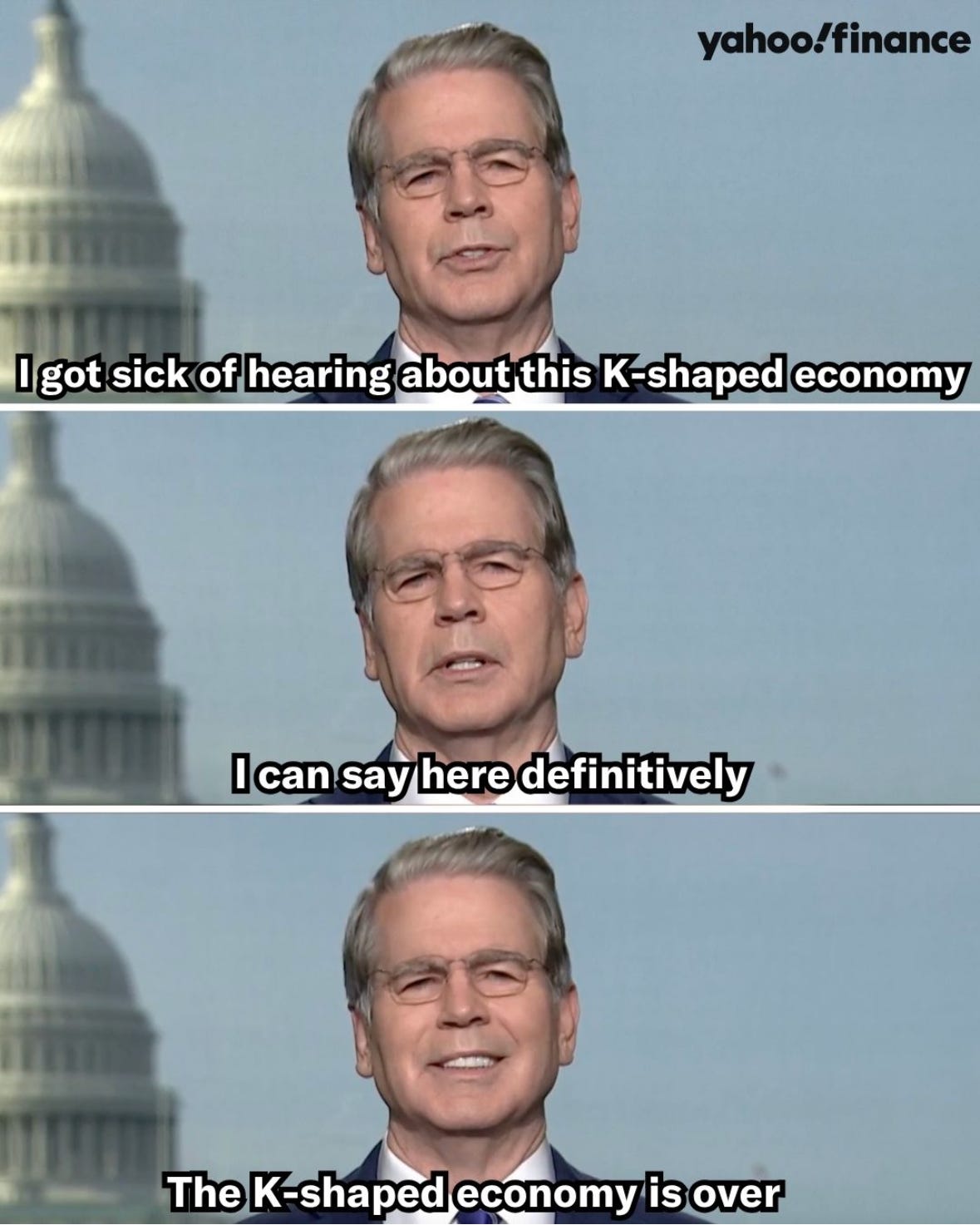
AI is part of the story. Building data centers has turned the biggest tech companies into major infrastructure spenders, just as governments are running large deficits and investing heavily in defense and critical supply chains. Everyone is chasing the same pool of capital, and it’s pushing up the cost of borrowing. Bessent can’t make that underlying demand disappear, but shifting Treasury borrowing toward shorter-term debt and buying back longer bonds gives Washington more room to manage borrowing costs as this investment boom plays out.
Inside the Oasis Reunion
After 15 years of insisting Oasis was done for good, Liam and Noel Gallagher found their way back onstage. A new documentary, Don’t Look Back in Anger, follows the brothers as they worked through decades of bad blood ahead of the band’s blockbuster comeback tour.
Oasis went on to play 41 shows across five continents, turning one of rock’s most famously dysfunctional relationships into one of last year’s biggest reunions. The film hits IMAX theaters September 11, just ahead of Oasis’ induction into the Rock & Roll Hall of Fame this fall.
America’s Kratom Problem
Kratom has grown into a multibillion-dollar business, sold at gas stations and online as an herbal fix for everything from chronic pain to low energy. Some people use it to get off opioids — though kratom acts on some of the same brain receptors those drugs do. Reports of addiction, brutal withdrawal and overdose are piling up. The market has gotten murkier too, with the rise of concentrated products that can be way more potent than the traditional leaf.
Regulators are now scrambling to catch up. Cities are starting to ban kratom outright, while parts of the industry argue for keeping traditional kratom legal and cracking down on the stronger products instead. Researchers still can’t say much about safe doses, long-term effects or how kratom interacts with common medications — leaving millions of Americans able to buy a product whose risks we’re still figuring out.
Making America Beautiful Again
For decades, conservatives have argued that architecture matters — that the places we build shape how people feel about where they live, and that replacing traditional forms with bland, disposable development comes at a real social cost. Conservative thinkers like Roger Scruton and Leon Krier spent most of their careers making that case, and President Trump has brought a similar instinct to Washington, pushing to restore the capital’s landmarks and public spaces. Now the left is starting to catch up. Ezra Klein has brought beauty into the growing “abundance” movement, arguing that getting America building again also means building things people actually want to live around.

Recent research backs up a point conservatives have long understood: people are much more open to new housing when the buildings look good and fit their surroundings. It’s a welcome correction to a debate that has spent years treating America’s building problem mostly as a matter of permitting and regulation. Those barriers matter, but people also push back when a project is ugly or out of step with the aesthetic of the surrounding community. The case for building beautiful things has always come down to a simple idea: growth works better when it adds to a place’s character instead of watering it down.
Socialism Gets a Rebrand
Socialism is having another moment in American politics, especially among younger voters with no firsthand memory of the Cold War or the wreckage left behind by communist regimes. In a new essay, Spencer Pratt argues that distance from that history — combined with rising costs on everything from housing to healthcare — makes it easier for old ideas to come back wrapped in more appealing language.
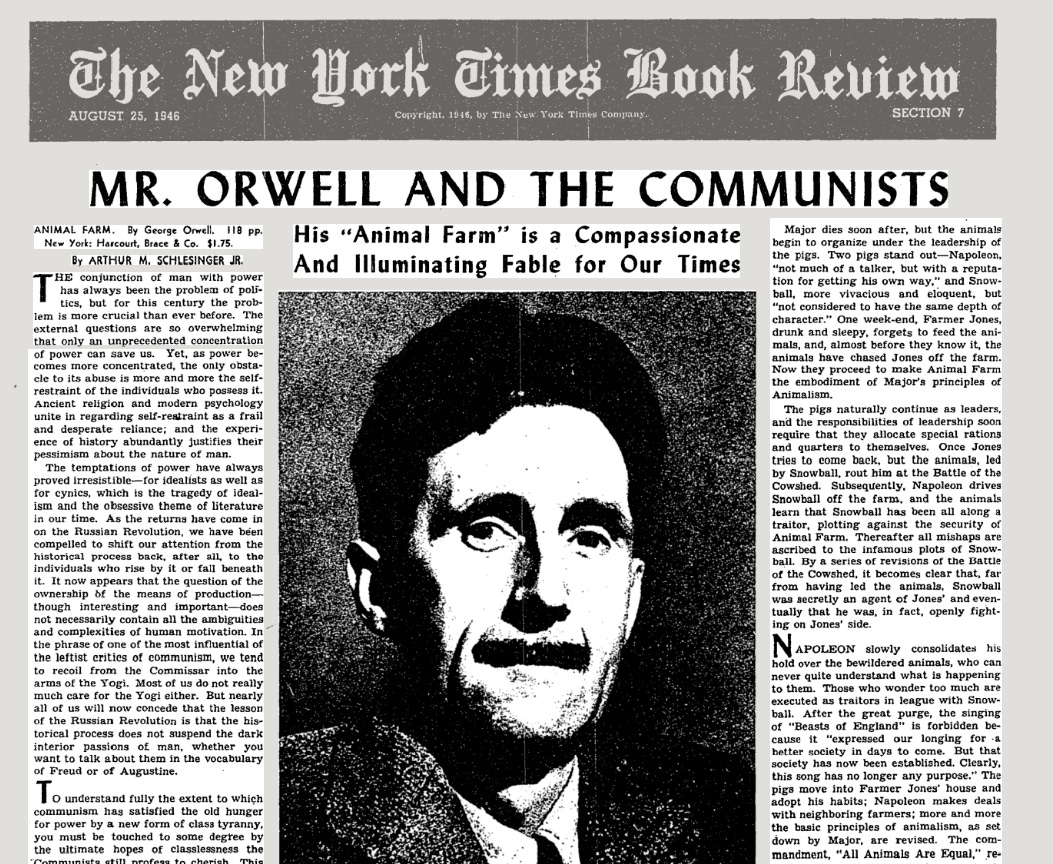
Pratt’s larger point is that capitalism’s imperfections shouldn’t give socialism a pass on its own record. The Nordic countries routinely held up as proof that socialism works are still fundamentally market economies, while the twentieth century is littered with darker pictures of what happens when governments actually seize control of economic life. His warning is simple: when a generation forgets why an idea was rejected, someone eventually comes along to sell it again.
Other Reading
The ‘Body Guy Caucus’: The Lives of the Men and Women Paid to Shadow Senators (NOTUS)
The Scientists Who Want to Steer Hurricanes (The Free Press)
China’s New Laws Are Ensnaring Western Companies (Foreign Policy)
Build Back Beautiful (City Journal)
OpenAI Introduces ‘ChatGPT for Teens’ as Safety Concerns Grow (The New York Times)
Hayden Panettiere remembered by ‘Nashville’ co-stars : ‘Sleep easy now’ (The Tennessean)