On Our Radar
Nashville SC captured its first major trophy in club history by defeating Austin FC 2–1 in the 2025 U.S. Open Cup final, marking a milestone as the first professional sports team from Tennessee to claim a national title. The triumph not only solidified a historic moment for the club and its supporters but also guaranteed Nashville a spot in the 2026 Concacaf Champions Cup, adding international competition to its future calendar. Beyond the immediate success on the field, the win carries broader significance for Tennessee sports, symbolizing a breakthrough achievement unmatched by other major professional teams in the state’s history. The win held particular significance inside Imperium Public Strategies HQ as co-founder and managing partner Clint Brewer was a founding member of the MLS2Nashville movement to bring a team to the city and a lead strategist in the then nascent team’s push for a franchise and stadium in 2017 and 2018.
Imperium Partner Moderates American Growth Partnership Panel
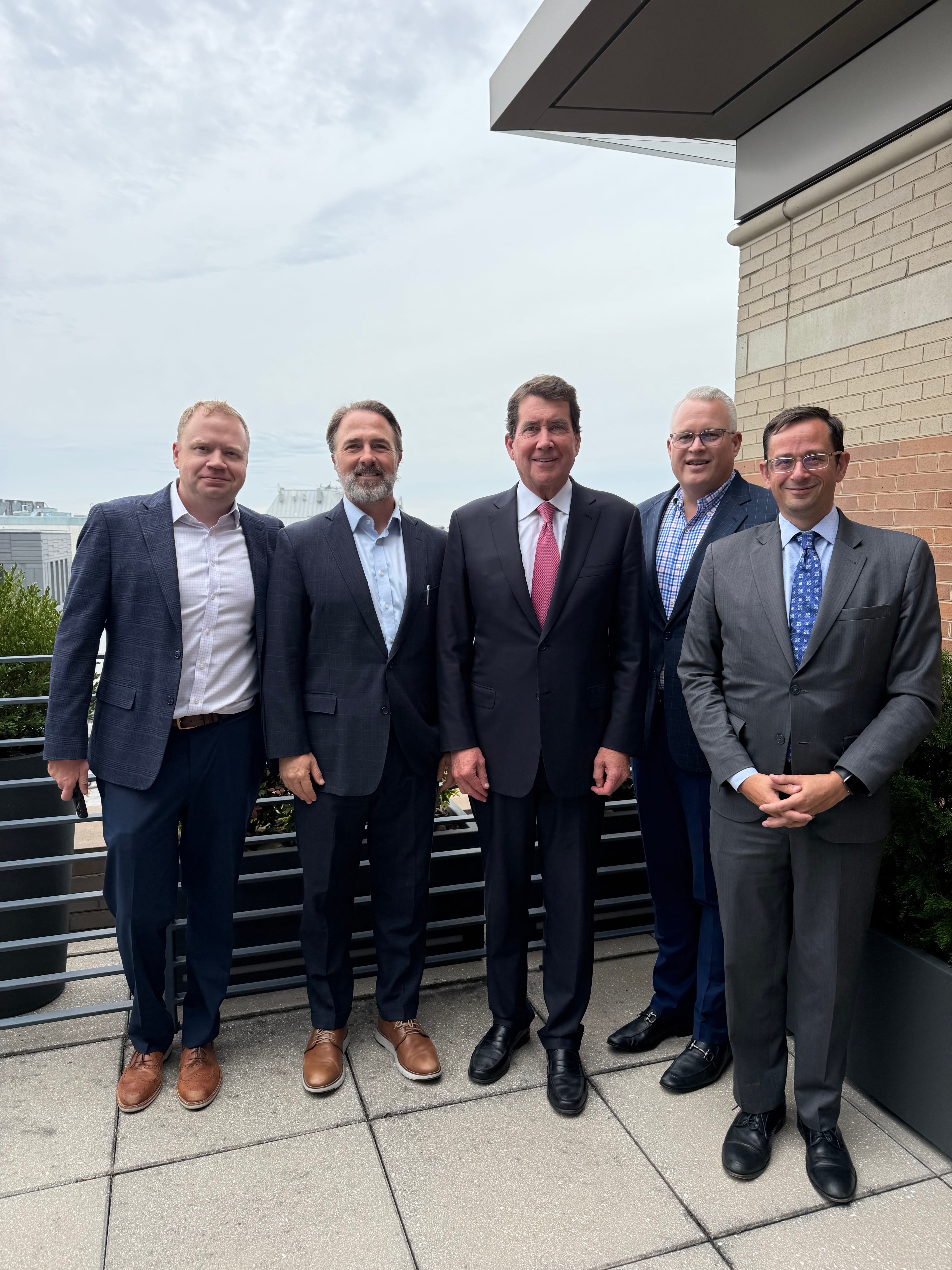
Imperium co-founder and partner Josh Helton was busy in Washington, D.C., this week working with an organization he helped found, the American Growth Partnership (AGP). Josh moderated a panel for AGP members featuring U.S. Senator Bill Hagerty, tackling a wide range of pressing issues: the ongoing threat of a government shutdown, the U.S. economic outlook, America’s strategic posture toward China, the regulatory and market challenges around cryptocurrency, and the rise of artificial intelligence. AGP is a trade organization uniting business leaders and government officials to align priorities for economic growth. The event is part of AGP’s mission, not just as a business forum, but as a policy interlocutor that seeks to shape how business leaders engage with major political questions.
In 1954, U.S. atomic officials promised electricity “too cheap to meter.” That promise was never fulfilled, but a new film, Too Cheap to Meter, profiles scientists and entrepreneurs pushing nuclear fission, fusion, and advanced renewables toward that horizon. The case is clear: every great leap in human progress has followed a leap in energy density—from wood to coal, coal to oil, oil to nuclear. Today, billions still lack sufficient power while efficiency gains are hitting limits. Abundant energy, the film argues, could not only meet demand but unlock desalination, carbon removal, AI expansion, and even space settlement. The choice presented is stark: accept scarcity, or build the systems that make a hyper-energy future possible.
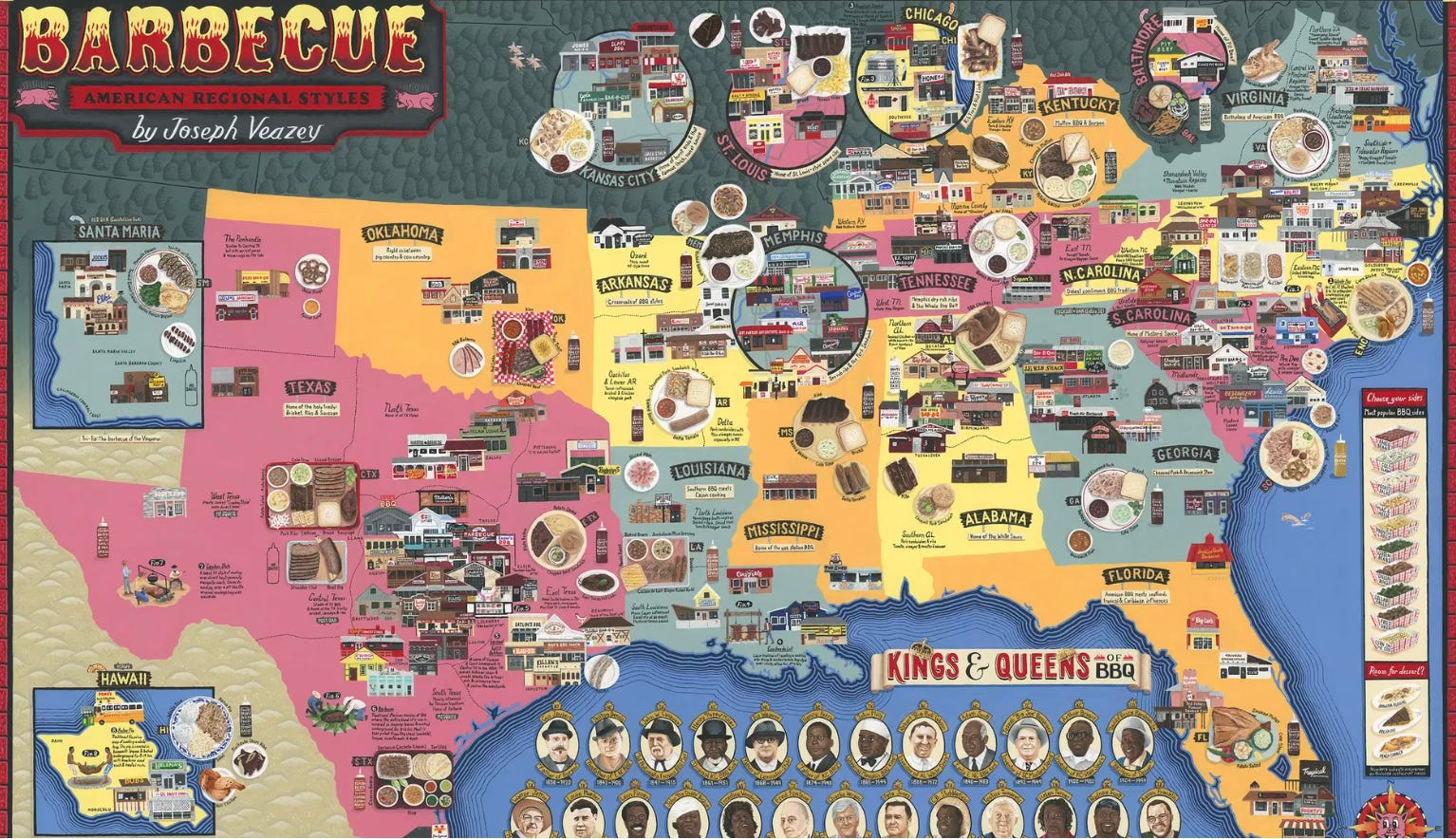
Atlanta illustrator Joe Veazey has unveiled a new project that charts the history and culture of American barbecue. The American Barbecue Map spotlights nearly 200 restaurants, 22 sauces, and 20 regional traditions, with the South and Mid-Atlantic at its core. Georgia alone gets special attention, from pulled pork and Brunswick stew plates to mustard-based sauces drifting in from South Carolina. Veazey told Axios the map is about giving the South credit for shaping “a truly American thing,” elevating barbecue as both a cultural export and a living tradition.
Media Trust Falls to Historic Low
A new Gallup survey finds just 28% of Americans say they trust the mass media—a collapse from 68% in 1972 and the lowest level on record. Trust has cratered across the political spectrum: only 8% of Republicans, 27% of independents, and 51% of Democrats report confidence in the press. The share of Republicans expressing “no trust at all” has doubled in a decade, while younger Americans under 50 now register historic lows. Once a majority view before 2004, confidence in the press has now dropped below every other civic institution Gallup tracks.
After nearly two decades at the helm, Spotify founder Daniel Ek will step aside as CEO in 2026, handing the reins to co-presidents Alex Norström and Gustav Söderström, who will serve as co-CEOs while reporting to him as executive chairman. Spotify joins a short but growing list of entrepreneur-led companies—from Netflix to Oracle—that have experimented with dual leadership models. Advocates say co-CEOs can double capacity and balance complementary skills, but history shows the arrangement is fragile: Salesforce, SAP, and others abandoned it amid power struggles. A Harvard Business Review study found co-led firms often outperform peers, yet the average tenure of co-CEOs is less than half that of solo leaders. For Ek, who plans to remain “hands-on” in shaping Spotify’s long-term strategy, the move looks less like a farewell and more like a restructuring of influence.
Other Reading
In Nod to MAHA, Walmart Ditches Dyes, Other Artificial Ingredients in Its Food Brands (WSJ)
The Stablecoin Duopoly is Ending (Murmurations II)
Music Labels Close to Landmark AI Licensing Deals (Financial Times)
“Keep fighting”: Democratic Lawmakers Squeezed on Government Shutdown (Axios)
Emerging Climbing Star Balin Miller, 23, Dies in Fall From El Capitan (Guardian)